Proactive Pipeline Integrity Strategies for South America’s Growing Energy Infrastructure

PipeSense President & CTO Stuart Mitchell shares his insights in the July edition of World Pipelines, exploring how proactive pipeline integrity strategies can support the next phase of energy infrastructure growth across South America.

As production expands throughout Brazil, Argentina, Guyana, Peru, Colombia, and Suriname, the article examines the importance of moving beyond reactive maintenance. Stuart discusses how continuous monitoring, leak detection, pressure testing, and pipeline integrity services can help operators reduce downtime, protect critical infrastructure, and strengthen regulatory and environmental performance.

Drawing on PipeSense’s experience supporting North American operators, the article outlines a practical roadmap for implementing layered monitoring strategies that improve reliability while minimizing operational disruption.

Read the full article in World Pipelines


CO₂ Pipelines to Benefit from PipeSense’s New Leak Detection System

Having proven its capabilities in monitoring and detection leaks in oil and gas pipelines, PipeSense, a leading midstream technology provider, is now expanding its support to emerging CO₂ applications and networks. 

Successfully designing, implementing, and testing a new dynamic pressure analysis-based leak detection system, PipeSense proved the capability of the technology on a South Texas pipeline transporting dense phase and supercritical carbon dioxide (sCO₂) at approximately 2,000 psi. Deploying its team on-site for testing, PipeSense was responsible for a 12-mile stretch from a compressor station to a client’s handoff point within the state. 

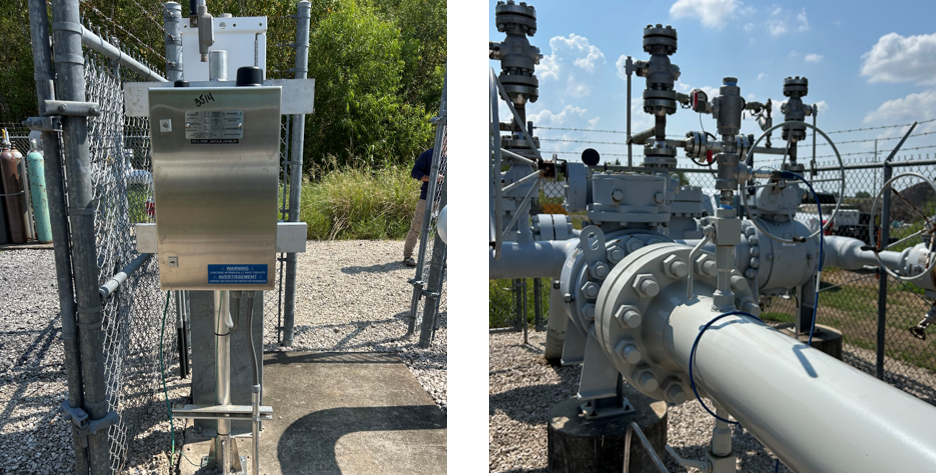
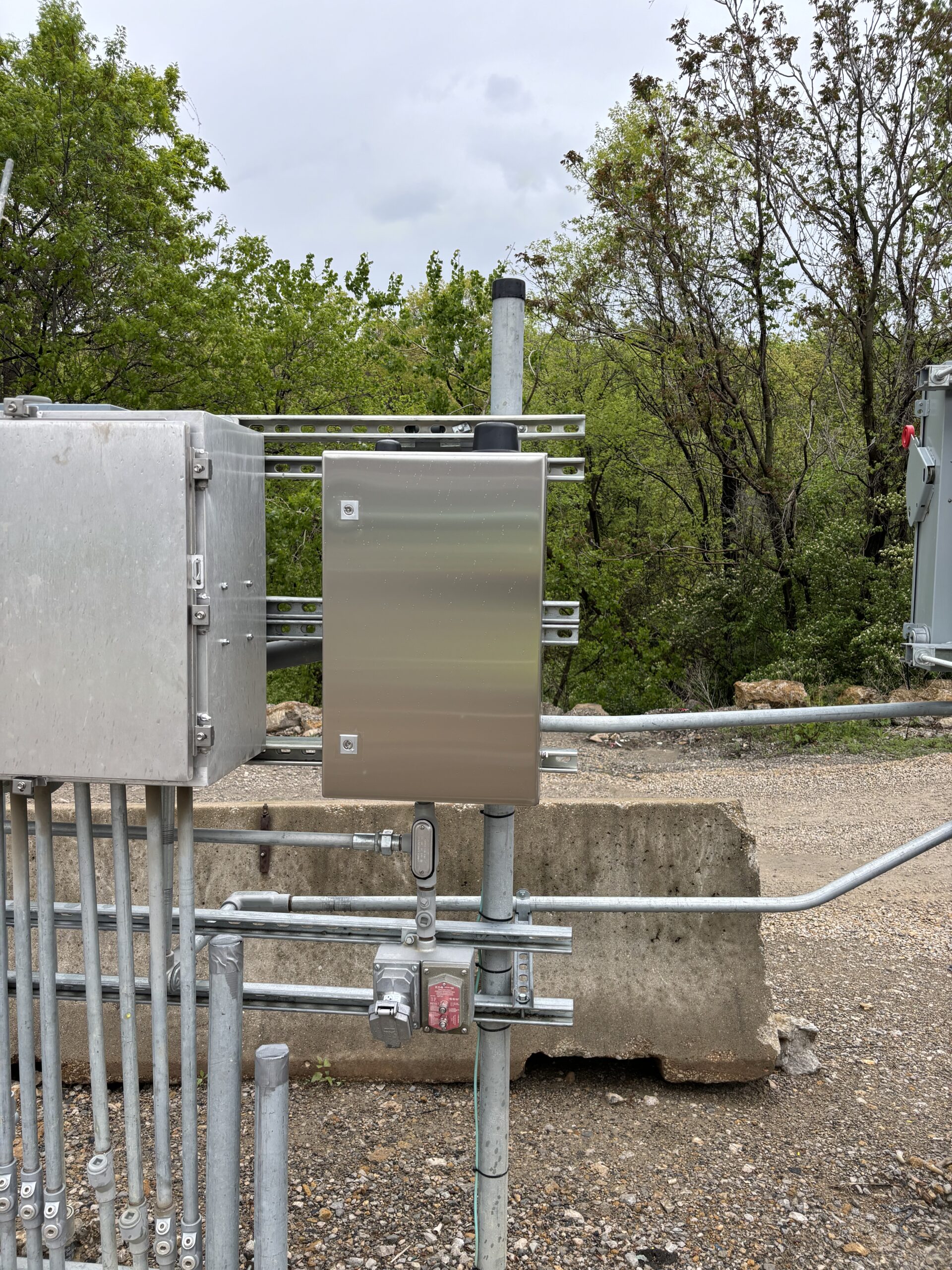
Applying a Dynamic Pressure Analysis method (DPA), the leak detection system utilized two Field Processing Units (FPU) equipped with high-sensitivity pressure sensors and positioned at each end of the pipeline segment.  

Installation commenced in Q3 2025, while tests continued throughout Q4 2025. 

Upon completion of the project, the system capability detects leak events within 2-3 minutes and with location precision down to <20 ft. One false positive and zero downtime was observed over a 5-month period, with the system achieving sensitive, accurate detection and addressing key pipeline network challenges like such as speed of sound variability, unplanned compressor station shutdowns and changes between dense and supercritical phases. 

Demonstrating the efficacy of a Machine Learning-enhanced Dynamic Pressure Analysis system for leak detection in sCO₂ pipelines, the project could prove a crucial milestone for supporting growing demand for Carbon Capture and Storage (CCS) infrastructure. With U.S. CO₂ pipelines expected to grow 20x by 2050, the availability of PipeSense’s technology will help to enhance safety and minimize environmental risks from undetected leaks. 

PipeSense’s leadership team is planning for further testing and implementation within CO₂ networks and infrastructure in the U.S. and globally.  

Stuart Mitchell, President & CTO of PipeSense, commented: “Supercritical CO₂ pipelines operate near the critical point, where fluid properties such as density and compressibility exhibit highly nonlinear and rapid variations. Standard Real-Time Transient Models (RTTM) and statistical models, which rely on simplified equations of state and linear assumptions, struggle to accurately predict pressure and flow transients during operational fluctuations. These modeling inaccuracies produce persistent discrepancies that appear as false leak signatures when residuals or pressure anomalies are misinterpreted.  Our dynamic pressure analysis method offers a superior, mass-flow-independent alternative, paving the way for reliable monitoring in expanding CCS infrastructure. 

The simplicity of our system was on full display during this recent implementation. Through just two FPU connected pressure sensors and a flexible dashboard interface, the system demonstrated its effectiveness and highlighted its potential to scale to larger CCS networks, many of which will be required by the expected growth in CO2 pipelines.”

PTC 2026: Advanced sCO2 Leak Detection

Presented at PTC 2026

This conference paper, presented at the 2026 Pipeline Technology Conference (PTC) in Berlin, was written by Stuart Mitchell, Dr. Dingding Chen, Dr. Li Gao, Dr. Joseph Ma, Dacosta Yeboah, and Scott Bauer of PipeSense. The paper explores how advanced pressure pulse-based leak detection and machine learning can overcome many of the challenges associated with monitoring supercritical CO2 (sCO2) pipelines used in carbon capture and storage (CCS) infrastructure.

Real-World sCO2 Pipeline Deployment

Using a real-world 12-mile sCO2 pipeline deployment as a case study, the paper highlights how PipeSense’s high-frequency pressure monitoring technology achieved rapid leak detection, precise localization, and zero false positives during a 90-day monitoring period. It also examines the limitations of traditional leak detection methods and the growing need for reliable monitoring solutions as CO2 pipeline infrastructure continues to expand.

Read the Full Conference Paper

Read the full conference paper to explore the methodology, testing process, and field results in greater detail.

View Full Paper

Agency Agreement Applying ‘Common-Sense’ Approach to Canadian Pipeline Market

The Canadian pipeline market now has access to a series of advanced asset integrity and maintenance solutions, following a partnership agreement between PipeSense and Monitor Emissions Inc.

U.S.-founded PipeSense, which develops and delivers critical pipeline solutions with speed and accuracy, has signed an exclusive agreement with Monitor Emissions, the Canadian industrial inspection specialist, for the provision of leak detection, pig-tracking, and hydrotesting technologies. Covering all provinces and territories across Canada, the agreement will enhance support for oil and gas pipeline operations nationwide, with a focused commitment to reducing fugitive emissions and minimizing pipeline leaks.

Indigenous-owned and a partner of pipeline and facilities construction and maintenance company Sundown Oilfield Services, Monitor Emissions has a reputable presence throughout the western Canadian marketplace. With the addition of PipeSense’s proprietary technologies to its offering, it is now in an even stronger position to enhance pipeline and facility maintenance standards and practices across the region.

For PipeSense, the agreement presents an opportunity to establish its ‘common-sense’ approach to rewriting the rules for pipeline integrity in a wider marketplace outside the U.S. The partnership will reinforce PipeSense’s commitment to protecting operations, surrounding communities, and the environment by supplying its PipeGuard, PipeTrack, PipeScan, and PipeTest systems – all of which have been developed in-house by PipeSense’s experienced engineering team.

Through ultra-high-frequency pressure sampling, advanced machine learning, and artificial intelligence-enhanced dashboards, each technology has been proven to help operators reduce downtime, increase safety, and eliminate uncertainty surrounding leak location and severity.

Discussing what the agreement means for PipeSense, Josh Holmes, Vice President of Business Development, commented: “Since PipeSense entered the market two years ago, we have been in conversation with pipeline operators across Canada about the specific regional issues they encounter. Listening to their experiences and the sticking points that impact their approach to pipeline leak detection and hydrotesting, we have tweaked the solutions we provide to meet their bespoke needs.

Now, with the support of Monitor Emissions, we are in a fantastic position to support the Canadian market and address the issues that many operators are losing sleep over. We are proud to enter this agreement with an Indigenous-owned company that has an immense reputation in the region and know that we will be able to provide value to its customers.”

Lane Arias, President of Monitor Emissions Inc., added: “Monitor Emissions Inc.’s top priority is identifying and resolving industrial challenges using the most advanced, proven inspection technologies available. PipeSense’s pipeline leak and anomaly detection solutions are an ideal addition to our service catalog, especially as we continue our work with Sundown Oilfield Services, one of the leading providers of oil and gas pipeline and facility construction. Sundown also shares our commitment to improving industrial efficiency through the best solutions available.

Our services at Monitor Emissions deliver modern oversight of emissions, equipment performance, and the optimization of equipment lifespans. This aligns strongly with the priorities of the Indigenous business group within Monitor Emissions. Together, we’ve seen great success in enhancing industry efficiency and overall capability.”

Smarter Pig Tracking, Blockage Detection, and Hydrotesting—All in One Platform

PipeServ from PipeSense streamlines critical pipeline operations with fast, accurate solutions for pig tracking, blockage detection, and hydrotest monitoring—reducing downtime, increasing safety, and eliminating uncertainty.

  • PipeTrack delivers real-time pig tracking without field trackers, even in static conditions. Its ultra-high-frequency pressure sampling confirms pig location within 4–6 hours—no extra hardware required.

  • PipeScan quickly identifies and locates blockages like hydrate plugs, wax, or debris using the same system, making it easy to pivot from tracking to troubleshooting.

  • PipeTest redefines hydrotesting with real-time pressure and temperature data, including a live dashboard and leak detection tied directly to temperature-corrected thresholds—no more guesswork or retesting.

With a user-friendly dashboard, minimal setup, and compatibility across all pipeline diameters, PipeServ simplifies operations while helping you stay compliant and proactive.

When safety and performance matter, PipeServ delivers.

Eliminate the Guesswork: Next-Generation Leak Detection with PipeGuard

PipeGuard by PipeSense delivers real-time, AI-powered leak detection with 99.998% accuracy—eliminating false positives and locating leaks within 20–50 feet. Unlike traditional systems that delay response or generate costly false alarms, PipeGuard uses ultra-high-frequency pressure sampling (1,000 readings per second) and edge-based machine learning to instantly identify and verify anomalies.

Designed for seamless integration with existing SCADA and DCS infrastructure, PipeGuard operates autonomously 24/7, with no recalibration needed—even across liquids, gases, multi-phase flows, or remote sites. It meets PHMSA Valve Rule standards and is API RP 1130 compliant, ensuring regulatory peace of mind.

From solar battery power and Starlink readiness to secure text, email, and web alerts, PipeGuard is leak detection reimagined for modern operators.

Safeguarding High-Consequence Areas: PipeSense Expands Leak Detection Technology Across the Permian Basin

Protecting Critical Infrastructure: PipeSense Leak Detection Technology Expands Coverage in High-Consequence Areas

In just six months, PipeSense has rapidly scaled its presence across the U.S. pipeline sector, enhancing safety and operational performance in some of the nation’s most sensitive regions. With a strategic focus on high-consequence areas (HCAs), the U.S.-based pipeline integrity and monitoring specialist has made a measurable impact through the deployment of its advanced leak detection technologies.

Expanding Coverage Across the Permian Basin

This year, PipeSense has successfully deployed its PipeGuard™ continuous leak detection system and PipeTest™ hydrotest services across multiple sites within the Permian Basin—a region recognized for its vital role in domestic energy production and a concentration of HCA-designated pipelines.

These deployments not only underscore PipeSense’s commitment to risk mitigation and performance enhancement but also align with broader regulatory movements, including mandates outlined by the Pipeline and Hazardous Materials Safety Administration (PHMSA) requiring more rigorous leak detection in liquid pipelines under 49 CFR § 195.134.

Leading With Innovation in Pipeline Monitoring

PipeSense’s approach is driven by innovation—utilizing AI-powered monitoring solutions that are both scalable and adaptable. Easily integrated into any segment of pipeline infrastructure, these technologies are designed to improve operational visibility, reduce leak detection time, and minimize environmental risk.

President & CTO Stuart Mitchell commented:

“Covering an extensive mileage of pipeline across the U.S. is an incredibly significant milestone in our journey. Our disruptive technologies—combined with an exceptional team—have earned the trust of operators in some of the country’s most critical energy corridors.”

A Growth Trajectory Fueled by Real-World Application

With state-of-the-art testing facilities in Houston, Texas and Clearbrook, Minnesota, PipeSense has the infrastructure to continuously improve its offerings through R&D and client-focused testing. The Houston facility features a 4-inch Continuous Test Loop for dynamic leak simulation, while the Clearbrook site boasts a 24-inch Pipeline Test Rig purpose-built for pig-tracking demonstrations and leak detection validation.

These facilities ensure PipeSense can simulate field conditions, optimize system performance, and deliver tailored solutions to clients across both onshore and offshore pipeline networks.

Want to learn more about how PipeSense technologies are built and tested? Visit our facility expansion blog for an inside look.

Why High-Consequence Area Monitoring Matters

HCAs are segments of pipeline routes that, if compromised, could significantly impact public health, safety, or the environment. As such, deploying effective and reliable leak detection systems in these areas is not only a matter of compliance but of corporate responsibility.

PipeSense’s solutions provide:

  • Continuous leak monitoring in sensitive or remote environments

  • AI-driven analytics to enhance leak pinpointing accuracy

  • Support for hydrotest compliance and data reporting

  • Flexible deployment across new and existing pipeline systems

These capabilities not only support regulatory adherence but help operators reduce costs associated with downtime, environmental remediation, and reputational damage.

Looking Ahead: Global Growth & Strategic Impact

Following a series of new contract wins and expanding partnerships, PipeSense is on track to further its reach in North America and explore expansion into international markets. This growth is powered by a combination of industry-proven performance, client trust, and a relentless pursuit of next-gen pipeline safety.

Mitchell added:

“Several new projects in the pipeline—pun intended—are a testament to the trust we’ve earned. We’re committed to pushing the boundaries of pipeline integrity management for the benefit of the industry and the environment.”

PipeSense Named Finalist for PPIM 2024 Innovation Award for Breakthrough Leak Detection Technology

We’re proud to announce that PipeSense has been selected as a finalist for the 2024 PPIM Innovation Award at the Pipeline Pigging & Integrity Management Conference in Houston, Texas—one of the most respected events in the pipeline integrity industry.

This recognition marks a monumental achievement early in our journey, affirming our mission to redefine pipeline safety and environmental protection through data-driven intelligence. It’s not just an award nomination—it’s validation from the industry’s most trusted voices that real innovation is happening here.

Why PipeSense Technology Stands Out

PipeSense is advancing the pipeline integrity space by leveraging NextAI-backed machine learning algorithms to provide real-time leak detection and operational insights. Our technology is built to minimize risk and maximize uptime—delivering measurable impact across the pipeline lifecycle.

By pairing intelligent data analysis with simple operator workflows, PipeSense empowers pipeline operators to detect leaks early, act faster, and avoid costly downtime or environmental damage. This approach transforms pipeline monitoring from reactive to proactive.

Built for the Field. Designed for the Future.

What sets PipeSense apart is not just what we do—but how we do it. Our leak detection system is:

  • AI-Driven for unmatched detection accuracy

  • Field-Tested and proven in challenging environments

  • Operator-Friendly, integrating seamlessly into existing infrastructure

  • Environmentally Responsible, helping companies meet ESG goals

This technology is a leap forward—not a bolt-on patch to legacy systems.

Looking Ahead

Being named a PPIM 2024 finalist fuels our momentum as we continue to bring next-generation pipeline integrity solutions to operators across North America and beyond. We’re grateful for the recognition, excited for the road ahead, and more committed than ever to advancing pipeline safety through innovation.

Our culture of innovation: Transforming pain into peace of mind

At PipeSense, innovation isn’t an idea. It’s how we get things done. We solve real problems because the status quo in pipeline integrity isn’t just outdated — it’s unreliable. And when the goal is protecting communities and the environment, “good enough” is nowhere near good enough.

Every new product or feature we develop, from permanent pipeline leak detection systems to real-time hydrotest dashboards, were built in response to a very clear and recurring client pain point. Why? Because our ultimate goal is not to sell. It’s to solve.

Blog: Why legacy pipeline leak detection systems are failing operators >

A company founded to reimagine pipeline integrity

PipeSense was built by people who saw the cracks in conventional systems and believed in a better way forward. We looked around and saw a market full of leak detection systems that required constant recalibration, oversight and explanation. So, we put together a team of field-savvy engineers, data scientists and hands-on problem solvers who’d spent time in operators’ boots and started creating better pipeline integrity solutions.

Read our origin story >

That mindset still defines how we work. We don’t have a siloed R&D department. Innovation is built into every part of our workflow. Ideas surface during test loop runs, creative whiteboard sessions or operator asks. What matters isn’t where they come from, but how quickly we act on them. Everyone on the team, whether they’re tuning algorithms in the office or running a hydrotest in the field, shares the same mission: deliver clarity, accuracy and speed to the people who need it most. Around here, anyone can drive the next breakthrough. And everyone does.

Explore our approach >

Humility + Curiosity = Progress. It’s Common Sense

What powers innovation at PipeSense isn’t just skill, speed or previous industry knowledge — it’s the way our team shows up for each other and our clients each day. We prioritize clarity over complexity, outcomes over ego and real-world performance over theoretical potential. In day-to-day life at PipeSense, that translates into constantly asking hard questions, pushing each other to improve and staying grounded to the operator’s point of view. No one’s too important to put on a hard hat and boots. And nobody gets too attached to their idea to scrap it if a better one comes along.

At PipeSense, feedback is fuel. When something doesn’t meet the bar, we don’t defend it. We dig in, rethink it, and make it better. That culture of openness, rigor, and respect is what allows us to move quickly without cutting corners. It’s how we’ve turned everyday pipeline frustrations into smarter pipeline monitoring and built a leak detection system that’s ready for whatever the field throws at it.

Explore PipeSense Certified Integrity >

Our innovation cycle: The Process

We don’t believe in “one-and-done” development. Innovation here is continuous, iterative, and always grounded in field reality. Every advancement — from pinpoint leak detection to smarter hydrotest dashboards — follows the same core process: start with what operators are actually experiencing, test against real conditions, refine based on results and repeat as changes emerge.

1. Listen: Tune into where frustration lives

We invest time speaking with and empathizing with operators, field crews and project managers to understand what’s getting in their way and what’s not working with current leak detection systems. Then, we treat these comments as field-level diagnostics. Listening grounds our work in the realities of pipeline monitoring and ensures every solution is built to address real, recurring issues with leakage in pipelines and pipeline integrity.

2. Create and test: Build it as you break it

Once we’ve identified a problem that needs solving, we don’t sit on it. Our team maps out use cases, sketches solutions, and quickly moves into building and testing physical prototypes.

Testing happens at our full-scale facilities in Katy, Texas, and Clearbrook, Minnesota, where we simulate the conditions pipelines face every day: shifting temperatures, pressure surges, long distances and limited communication infrastructure. We simulate leaks, measure response time, stress-test sensor accuracy and evaluate how well our AI models can cut through the noise to isolate real events. This isn’t lab-bench tinkering. It’s high-pressure, real-data, edge-case testing with the same conditions operators face in the field.

3. Improve: No pride, just progress

If something isn’t working, we fix it — fast. Every test exposes opportunities to make our pipeline leak detection system better, whether that means refining how we interpret pressure reflections, improving how dashboards present time-critical data or optimizing algorithms to better handle signal noise in complex environments. We’re constantly working to boost accuracy, streamline usability and expedite the path to pipeline integrity.

This phase is about getting the current solution right. We fine-tune until it performs in real conditions, then deploy with confidence. But even after launch, we incorporate operator feedback, review system logs and update features to reflect what’s going on in the field. Our AI models evolve with every leak event, and our interfaces grow more intuitive with every round of operator input.

Blog: Hands off, always on: PipeGuard’s autonomous leak monitoring technology >

4. Repeat: Get right back into the field

We never ship and forget. As pipelines change, regulations shift and new challenges emerge, we go back to the beginning: listen, test, improve. It’s how we went from temperature-corrected pressure trending to obstruction locating via pressure reflections. It’s why we realized the need for smarter pigs to detect pre-existing leaks in pipelines. And it’s how we’ll continue to solve tomorrow’s problems before they start to wreak havoc on operators’ peace of mind or pipeline integrity.

Our innovation cycle: The outcomes

Here’s how we turned frontline frustration into operator-first pipeline monitoring, pipeline leak detection and pipeline integrity tools that restore confidence, reduce downtime and give operators their personal lives back.

PipeTest: Hydrotesting without headaches

What we heard:

“Hydrotests take too long, and we’re flying blind on pressure behavior. I just want to know if we passed.”

How we solved it:

We knew the root issue wasn’t the test — it was visibility. Operators had the data but no way to see it clearly or interpret it in real-time. We designed PipeTest to track pressure and temperature at ultra-high frequency, automatically correct for thermal variation and instantly flag results during the test, not after. To further improve pipeline monitoring transparency, we built custom dashboards to provide operators with live pipeline integrity data that’s easy to understand and act on.

Explore PipeTest >

PipeGuard: Autonomous pipe leak detection that actually works

What we heard:

“We’re tired of chasing false positives. And it shouldn’t take days to confirm a leak.”

How we solved it:

False alarms were eroding belief in leak detection systems altogether. So we trained our AI not just to detect pressure anomalies, but to distinguish true pipeline leak detection events from operational noise. We collected and labeled tens of thousands of real-world pressure events (surges, line packs, pump startups and actual leaks), then trained PipeGuard to know the difference. Next, we field-tested our permanent pipeline leak detection system relentlessly to dial in sensitivity and achieve 99.99% leak detection accuracy.

Learn How PipeGuard Detects Real Leaks, Not Noise >

PipeScan: Internal pig-based leak detection for hard-to-detect leaks

What we heard:

“We’re running ILI tools, but pinhole leaks still get through. We need something more sensitive.”

How we solved it:

We realized the sensitivity gap wasn’t a hardware problem, but a signal issue. Standard ILI tools weren’t picking up the pressure cues left by micro-leaks. So, we developed internal sensing technology that samples pressure at extremely high frequencies during the pig run. We built early prototypes, ran them through test loops with simulated pinhole leaks and studied how the signal differed from normal flow. From there, we refined our pipeline leak detection models to amplify those subtleties, turning faint anomalies into clear, actionable results.

See How PipeScan Detects Pinhole Leaks with AI >

We innovate so operators can thrive

PipeSense builds smarter systems so operators can get back to what matters most. Like planning the next job instead of chasing ghost leaks. Closing out a hydrotest with confidence instead of waiting for someone to crunch the numbers. Or finally getting a full night’s sleep without wondering if a minor alarm will turn into a major problem.

What can you accomplish with the power of PipeSense’s culture of innovation behind you?

Find out >

Pass the pressure test: How AI accurately detects leaks from ultra-high frequency pressure sampling

PipeSense pipeline leak detection flags leaks within minutes, avoids false positives and pinpoints the source with location accuracy within 50 feet. It delivers certainty in situations where most systems relay noise. It’s common sense in a world of nonsense.

To operators beaten down by decades of uncertainty, it can feel like magic.

In reality, it’s the result of a tightly integrated system of physics, signal processing and machine learning engineered from the ground up to catch the earliest physical signal of a leak: the pressure pulse. While legacy leak detection systems issue alerts only after they register a flow imbalance or volumetric shortfall, PipeSense responds at the exact millisecond the pipe breaches and a pressure wave radiates through the product column. Then, our pipeline integrity software confirms whether the signal is a real leak event or routine fluctuations in real-time. 

Here’s how it happens:

1. Capture the first clue (at 1,000 samples per second)

Every leak begins with a pressure event — a split-second wave that travels through the pipeline before any volume is lost and flow balance registers anything’s wrong. 

PipeSense captures that moment at 1,000 samples per second. These signals, known as negative pressure waves, radiate outward from the leak site, moving upstream and downstream through the product column. They’re short, sharp and consistent. A kind of sonic fingerprint that tells us exactly when and where a breach occurred.

It’s important to note, pressure pulses alone are not indicative of an actual leak event. Compressor kicks, valve closures and pump startups generate similar transients. The problem is that most legacy pipeline leak detection systems can’t tell the difference. They don’t sample fast enough or filter smart enough to separate signal from static. Our pipeline integrity software flips the script. 

How legacy leak detection systems are failing operators > 

2. Timestamp and sync across the line

Pressure pulses from actual leak event don’t happen in just one place — its signature reverberates across the line. So, interpreting that signal and moving forward with confidence requires more than pressure data. You need timing.

Every PipeSense field processing unit (FPU) is GPS-synchronized. While each unit operates independently, sampling pressure locally at 1,000 kHz, they all share a common timing (accurate to the millisecond). What does this mean? Every pressure anomaly, no matter where it occurs, is recorded with a precise timestamp that’s consistent across the network.

Why does this matter? Because pressure pulses travel at a known velocity through the product medium, confirmed during system commissioning. When a leak occurs, the pulse propagates upstream and downstream at that speed. By comparing exactly when that wave reached each sensor, PipeSense pipeline integrity software can pinpoint the origin. 

No fiber links. No peer-to-peer communications. Just physics, timing, and GPS accuracy. The result: leak location within 50 feet, without relying on flow models, SCADA alignment, or central controllers. Something legacy pipeline leak detection systems could never. 

3. Isolate the event in real-time

Pressure spikes happen all the time in pipeline operations. Some matter. Most don’t. PipeSense was built to know the difference, and that judgment starts at the edge.

As soon as a pressure pulse crosses a detection threshold, the FPU immediately stores a high-resolution snapshot: one minute of data before the event, and one minute after. This creates a contextual window — not just a blip, but a full pressure timeline surrounding the anomaly. During this process, the FPU performs real-time signal filtering. It sharpens the edges of the pressure trace, reduces background chatter and flags events based on shape, duration, and deviation from local baseline behavior. It’s not calling anything a leak yet, but it’s preparing the dataset for deeper analysis.

This edge-based triage is critical. Legacy pipeline leak detection systems often rely on basic  thresholds or rely on SCADA rules written for ideal conditions, resulting in either constant false positives or total desensitization. Our pipeline integrity software avoids both. To put it simply, it doesn’t fire on noise. It curates real signals for real evaluation.

4. Convert pressure into frequency

Pressure over time tells one part of the story. Frequency reveals the rest.

Once the event data package is transmitted to the central server (either on the client’s infrastructure or securely hosted by PipeSense) the event is transformed from the time domain into the frequency domain. This conversion generates a 3D frequency plot: a visual and analytical map of time, amplitude, and spectral energy.

What emerges is a pressure “fingerprint.” Leak events always show up with the same distinct features. Whether the line is carrying gas or liquid, whether the diameter is 6-inch or 36-inch, this frequency shape remains consistent.

In contrast, non-leak pressure events like valve chatter, compressor surges, and pump cycling appear different. To AI, the difference is unmistakable. Legacy pipeline leak detection systems never make it this far. They stop at thresholds. PipeSense keeps going — straight into the frequency spectrum where leaks reveal themselves.

5. Match the signature to a verified database

This is where interpretation becomes confirmation. Every frequency plot generated by PipeSense’s leak detection system is compared to a proprietary database of more than 35,000 verified pressure events — a catalog built from years of field data, simulated leak releases and operational anomalies. Each signature is tagged as either a leak or a known non-leak, based on real-world outcomes.

The AI at the core of our pipeline integrity software analyzes each event’s spectral shape, intensity, rise/fall characteristics, and duration. It then searches for a match in the library and ranks its confidence. If the signature aligns with a verified pipeline leak detection pattern and meets the confidence threshold, it’s confirmed. If not, it’s discarded.

This purpose-built AI model is specifically trained for pipeline pressure events. And unlike off-the-shelf AI, this model doesn’t drift. It’s continuously refined by PipeSense engineers who review edge cases, validate system decisions, and ensure that “smart” stays smart. 

6. Issue a pinpoint alert in real-time

Once a leak is confirmed, PipeSense’s pipeline leak detection system moves fast.

An alert is issued instantly — complete with timestamp and GPS coordinates. The control room dashboard updates in real-time, showing the exact segment and location where the event occurred. Operators see the when, the where, and the what all at once.

There’s no decoding required. No cross-referencing with SCADA. No wondering if it’s a nuisance alert or something worth shutting down for. Because PipeSense doesn’t raise the flag unless the system is sure.

That level of clarity matters. It means dispatching crews with purpose, not on hunches. It means planning repairs before product loss snowballs. It means staying online until you have a reason to act — and then acting with confidence. In high-consequence environments, that kind of certainty is what defines truly effective pipeline leak detection.

Pressure pulse analysis and AI: Why it matters

By anchoring detection to the earliest physical event, the pressure pulse, PipeSense delivers clarity within minutes, not hours. It doesn’t wait for volume loss. It doesn’t require flow model adjustments. It doesn’t trigger at the threshold of disaster. It works upstream of the problem — physically and operationally.

Faster response, less loss

The earlier your pipeline leak detection system identifies a leak, the more you can save — in product, cleanup, downtime, and regulatory exposure. PipeSense cuts response time from hours to minutes, reducing the size and cost of an incident before it spreads.

Pinpoint location = no wild goose chases

When PipeSense issues an alert, it includes GPS coordinates within 50 feet of accuracy. That eliminates the “needle in a haystack” problem. No wasted hours walking the line. No exploratory digs. Just actionable intel from a smarter leak detection system.

Zero false positives = zero wasted effort

Every alert is real. That means no unnecessary shutdowns, no truck rolls for non-events, and no eroded confidence in your pipeline integrity software. Field teams know when to move and when to stay focused on scheduled work.

Proven clarity = audit confidence

Each confirmed leak is logged with a high-fidelity data record, complete with a timestamp/GPS coordinates. It’s not just leak detection — it’s forensic-grade documentation, ready for regulators or internal review.

One system, many use cases

The same AI, pressure sampling, and physics engine that powers pipeline leak detection also enables blockage detection, hydrotest monitoring and pre-existing leak validation. It’s not a niche tool. It’s a platform for modern pipeline integrity.

It’s not magic. It’s physics, engineering and a lot of math.

PipeSense doesn’t trade in black box promises. What makes the system work isn’t hidden. It’s built on transparent, proven methods: high-frequency sampling, GPS-synced time series data, spectral analysis and machine learning trained on real-world results.

That’s the real pressure test — and PipeSense passes it every time.

Choose common sense >